


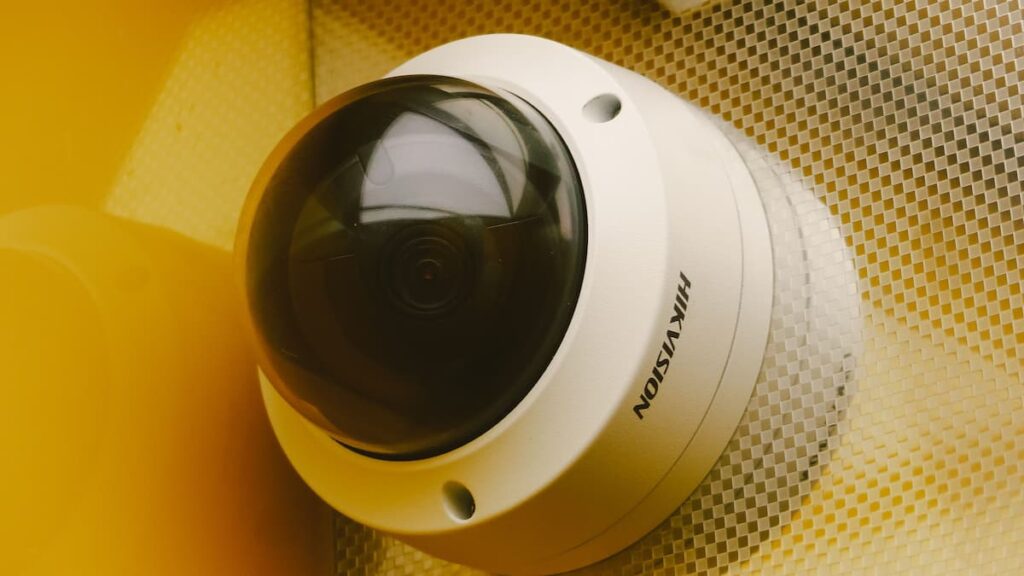
Erie County in New York has banned retailers from using facial recognition technology, becoming the first county in the state to enact such a measure.
The new measure prohibits private companies from collecting or using biometric identifiers for commercial purposes within the county. Supporters say the ban is intended to protect residents from the misuse of sensitive personal data, while critics of similar policies elsewhere have raised concerns about enforcement challenges and potential effects on business operations.
Retailers, including Wegmans, will no longer be allowed to use facial recognition technology to collect customer data under the new law approved by local lawmakers on Thursday.
Businesses in Erie County that violate the new law could face penalties, though initial reports did not specify enforcement procedures or fine amounts. The measure is expected to take effect after a designated compliance period, allowing businesses time to adjust to the new requirements.
Local Residents React to the New Biometric Data Law
The decision has sparked discussion online, with users debating the balance between privacy and technological innovation. Some praised the move as a step toward stronger consumer protections, while others questioned how it may affect security and data-driven services in the region. On r/NewYork and r/Buffalo on Reddit, many locals chimed in with their reactions, with one expressing, “The law does not go nearly far enough IMHO, but it’s good start to doing more along these lines.” and another writing, “Hell yeah huge W for Erie county“.
However, some locals expressed confusion over the fact that the new ban does not appear to affect security cameras. One user wrote, “So, to be clear: this means they can still record customers entering, exiting, and moving through the store and property, but they can’t use biometric tracking or scanning technologies? Like, I can grab a camera and that’d be fine since it doesn’t have biometric tracking? I’ll have to look at the legislation itself to understand what they mean, because that’s really the only way I can make sense of it.”
Another commenter agreed adding, “That’s my read of it. They can have recordings just not run the software to track people. They can’t have the ability to say “John entered at 5:15” but they can, if there was a theft, go look at who was entering at 5:15 and see that it was John.”
A further netizen declared, “I looked up the text of the law, and based on section 28.05, security footage is exempt as long as it isn’t sold, shared with, or leased to third parties other than law enforcement agencies. Also, the footage cannot be analyzed by software or applications that identify or try to identify people based on physiological or biological characteristics. So regular security cameras are OK so long as it’s part of a “dumb” system that is just recording the footage, not analyzing it, and the footage isn’t given to anyone other than law enforcement.”
As biometric technology becomes more widespread across both the public and private sectors, Erie County’s decision underscores the growing push at the local level to regulate how this data is collected, stored, and used.
