


The whole CEO “food bite” trend began with an awkward nibble from McDonald’s CEO Chris Kempczinski. While trying to promote the chain’s new Big Arch burger, his video felt stiff and overly staged. Then Burger King jumped in, followed by Wendy’s. Soon, the lineup kept expanding: A&W Canada, P. Terry’s, Jack in the Box—everyone wanted a piece of the joke. And just when it seemed like the trend was starting to fade, Washington-based Costco CEO Ron Vachris entered the chat.
Ron strolled into the food court, ordered the classic $1.50 hot dog-and-soda combo, sat down, and chuckled to himself: “$1.50? For this hot dog?”
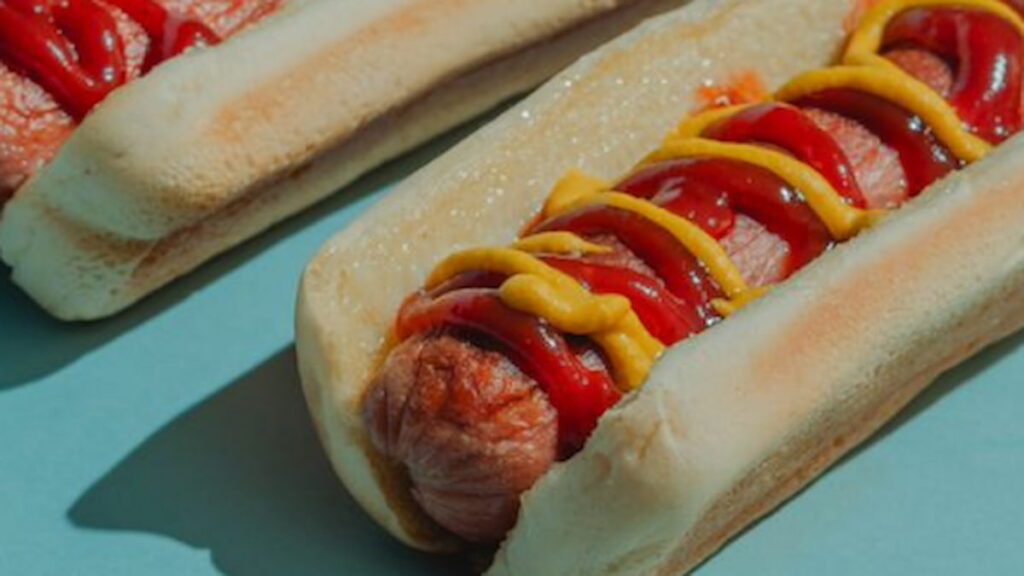
In the video, Ron takes a massive bite of the quarter-pound, all-beef hot dog before anyone even finishes asking whether the price is going up. “The hot dog price will not change as long as I’m around,” he says without hesitation. When asked to describe it, he keeps it simple: “Amazing. Amazing quality. Amazing value. That’s $1.50 well spent.”
There’s a real story behind that promise. Costco’s $1.50 hot dog and soda combo has held the same price since 1984. Even today, when inflation suggests it should cost around $4.40, Costco has kept the price unchanged—absorbing the difference for more than forty years rather than passing the cost on to customers.
The moment quickly sparked a wave of reactions online, with many users both poking fun and praising the image it conveyed. “Finally, a guy who looks like he actually eats his company’s food,” one person wrote, setting the tone for the conversation.
Some comments zoomed out to highlight why the company continues to resonate with customers. “The main rule of good business: don’t break what already works and makes money,” one person wrote, while another exaggerated, “Costco is the only thing standing between us and total economic collapse.”
Others contrasted the move with the struggles facing competing chains. “The McDonald’s CEO watching the stock drop like a rock while every other food service company’s shares are soaring,” one commenter wrote. Another observed, “The average American household’s recession plans are going to be eating Costco hot dogs and carpooling.” A third added, “‘Eat your own dog food’ is the CEO version of the Ice Bucket Challenge.”
Washington’s Costco came late to the CEO food fight. Didn’t say much. Didn’t chase headlines. Didn’t try to win the internet with a spicy post, a limited-time gimmick, or a flashy discount war. It simply stood there, in the background, holding one of the most famous bargains in American retail: the $1.50 hot dog and soda combo. And somehow, that was enough to win big. Costco stuck with that price for roughly forty years, even as inflation climbed, food costs rose, wages changed, supply chains got messy, and just about everything else in the grocery aisle became more expensive. The company kept the deal steady through different leadership eras and changing market conditions, treating the hot dog combo less like a menu item and more like a promise to its members. The legend only got stronger when a Costco executive reportedly suggested raising the price, and co-founder Jim Sinegal gave his now-famous blunt warning: if they raised the hot dog price, there would be consequences. The message was clear: figure out how to protect the deal. So Costco did. It adjusted operations, brought more production in-house, and made the combo a symbol of its entire business philosophy: keep value obvious, keep customers loyal, and don’t mess with the thing people love. That’s how you really finish a burger war—not by shouting the loudest, but by holding the line.
